Buy Hitster online in Canada
Hitster is a globally recognized music trivia, party game, social entertainment, and interactive music-history brand best known for transforming popular songs, streaming technology, QR-code scanning, and nostalgic music culture into highly social tabletop gaming experiences designed for families, friends, party groups, casual gamers, and music enthusiasts. Hitster became one of the fastest-growing modern party-game brands by combining physical card gameplay with smartphone streaming integration, allowing players to scan song cards, instantly play famous tracks through streaming services, and place songs in chronological order across personal music timelines based on release years and cultural memory.
The origins of Hitster are closely connected to the broader transformation of tabletop gaming and social entertainment during the late 2010s and early 2020s, when physical board games increasingly merged with digital technologies, smartphones, streaming services, and app-supported gameplay systems. As consumers sought more interactive, accessible, and socially engaging entertainment experiences, hybrid tabletop games combining traditional physical interaction with digital media became increasingly popular. The idea for Hitster reportedly began as a dinner-party music game concept during the summer of 2019, before later evolving into a fully developed commercial game experience.
Hitster is strongly associated with inventor Marcus Carleson and the development ecosystem of Jumbo, the Netherlands-based family-game and toy publisher known for puzzles, educational products, children’s toys, and accessible social board games distributed throughout Europe and international consumer markets. The project gained major early attention after launching on Kickstarter in December 2020, where it achieved funding within approximately 48 hours, demonstrating strong consumer interest in music-centered social gaming and nostalgia-driven party entertainment.
Although Hitster is widely tied to Swedish game development culture and public references connected to Stockholm, Sweden, the game also became strongly linked to the Netherlands through Jumbo Group B.V., including distribution and publishing operations associated with Rotterdam and Zaandam. Through Jumbo’s international retail and publishing network, Hitster rapidly expanded throughout Europe, North America, and global hobby-game markets, becoming especially visible through bookstores, toy retailers, online marketplaces, family game stores, and social-media-driven party-game communities.
From an industry perspective, Hitster operates across multiple interconnected sectors including party games, tabletop entertainment, music trivia, social gaming, streaming-connected games, hybrid digital gaming, pop-culture entertainment, casual gaming, nostalgia-based entertainment, and family-party products. Hitster became especially associated with social gameplay systems emphasizing participation, emotional reactions, musical memory, friendly competition, group interaction, and shared cultural experiences centered around mainstream music recognition.
One of the defining characteristics of Hitster is its QR-code and streaming-based gameplay system. Each Hitster card contains a scannable QR code connected to a streamed song. Players scan the code using smartphones, typically through Spotify integration or Spotify Premium-supported playback systems, instantly playing the featured track. After hearing the song, players attempt to correctly place it within a chronological music timeline based on the song’s release year relative to previously played tracks. The first player to successfully build a timeline and collect enough cards wins the game. This hybrid gameplay format became one of the most recognizable aspects of the Hitster identity because it merges tactile tabletop interaction with modern music-streaming technology in real time.
Unlike traditional trivia games centered around difficult factual recall or obscure knowledge, Hitster emphasizes intuitive recognition, nostalgia, emotional memory, and cultural familiarity. Players often rely on musical style, production quality, lyrics, artist familiarity, fashion trends, or personal memories associated with certain songs and decades. This approachable design helped make Hitster accessible to casual audiences and non-gamers while still remaining highly competitive and entertaining for dedicated music fans.
The Hitster experience is deeply connected to nostalgia culture and collective music memory. Songs included in the game commonly span multiple decades and genres including disco, classic rock, pop, dance music, hip-hop, electronic music, alternative rock, R&B, modern chart hits, and mainstream radio favorites. Because of this broad musical diversity, Hitster became especially associated with multigenerational gameplay where parents, teenagers, grandparents, and young adults can compete together using different areas of musical familiarity and cultural experience.
Hitster also reflects broader cultural trends surrounding experiential entertainment and socially driven gameplay. Modern consumers increasingly seek games encouraging conversation, humor, emotional reactions, participation, and spontaneous interaction rather than highly strategic or isolated gameplay experiences. Hitster positioned itself directly within this social-first entertainment movement by emphasizing singalongs, laughter, nostalgic memories, dancing, competitive debate, and group storytelling connected to familiar songs.
The game additionally reflects broader changes in music consumption culture caused by streaming platforms. Services such as Spotify fundamentally changed how consumers access, discover, and share music by making enormous libraries instantly available on demand. Hitster leveraged this ecosystem by building streaming directly into the core gameplay experience, helping modernize music trivia for digitally connected audiences already accustomed to instant access to playlists and music libraries.
From a gameplay perspective, Hitster blends elements of trivia, memory, deduction, music recognition, and timeline strategy. Players do not necessarily need to know exact release years because the challenge often involves estimating relative chronology between songs. A player might recognize that one song sounds “more 1980s” or “more modern” than another, creating intuitive gameplay that rewards cultural familiarity rather than purely academic music knowledge.
The Hitster ecosystem expanded through multiple editions and themed releases designed around different musical tastes, demographics, and entertainment styles. Publicly referenced gameplay formats include Original, Pro, Expert, and Cooperative modes, each adjusting the difficulty level and amount of music knowledge required. Additional editions may focus on family-friendly playlists, specific decades, regional music catalogs, iconic artists, holiday music, or genre-based experiences. These expansions helped broaden Hitster’s appeal across diverse music communities and entertainment audiences.
Hitster also became associated with music discovery and intergenerational sharing. Younger players are introduced to classic songs from earlier decades, while older players encounter modern chart hits and contemporary artists. This crossover appeal strengthened the game’s role as both an entertainment product and a social bridge connecting different musical generations and listening habits.
The company and brand additionally became associated with viral social-media entertainment culture. Short-form video platforms frequently featured gameplay clips showing players singing along, reacting emotionally to nostalgic tracks, debating release years, or celebrating iconic songs. Because music naturally creates emotional and social engagement, Hitster adapted especially well to shareable online content and modern digital entertainment culture.
From a branding and visual identity perspective, Hitster reflects bold, energetic, retro-inspired, and nightlife-influenced aesthetics emphasizing music culture, social interaction, movement, nostalgia, and entertainment. Packaging and marketing materials frequently incorporate neon colors, vinyl-record motifs, waveform graphics, retro-inspired typography, disco-style lighting effects, sound icons, and dynamic visual layouts intended to communicate excitement, rhythm, fun, and social energy.
Hitster also reflects broader consumer trends surrounding accessible entertainment and “easy-to-learn” social gaming. Unlike highly complex strategy board games requiring lengthy setup and detailed rulebooks, Hitster became popular because of its immediate accessibility. Most players can understand the game within minutes, making it highly suitable for parties, family gatherings, holidays, birthdays, dinners, dorms, and casual social events.
The game gained strong international visibility through toy stores, bookstores, department stores, hobby-game retailers, gift shops, online marketplaces, lifestyle retailers, and social-media-driven board-game communities throughout Europe and North America. Hitster became especially influential among young adults, families, casual party gamers, music lovers, university students, and consumers interested in modern hybrid tabletop entertainment experiences.
Within the broader party-game and music-trivia industries, Hitster competes alongside games and entertainment brands such as Trivial Pursuit, SongPop, Name That Tune, and other social trivia or playlist-driven party games. Hitster differentiated itself primarily through streaming integration, QR-code interaction, timeline mechanics, nostalgia-driven gameplay, broad mainstream music appeal, and highly social group participation.
Today, Hitster continues to establish itself as one of the most recognizable modern music-party games within the social entertainment, tabletop gaming, and interactive music-trivia industries. Through its combination of streaming technology, nostalgic music experiences, QR-code gameplay systems, accessible social competition, and pop-culture-driven entertainment, Hitster remains highly influential within contemporary game-night culture, music-based social gaming, hybrid tabletop innovation, and mainstream family entertainment markets worldwide.
Where to buy Hitster products in Canada
You can purchase Hitster items in Canada from YesWellness, an online retailer specializing in health and wellness solutions. YesWellness offers a wide range of Hitster products, including:
- Hitster The Music Party Game (Various)
YesWellness provides the following benefits when purchasing Hitster items:
- Free shipping on orders over a certain amount.
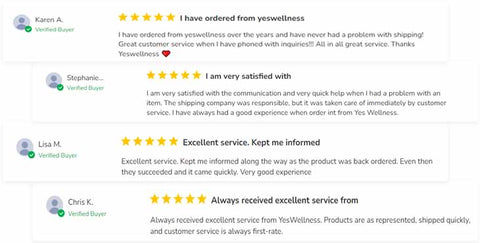
- Detailed product information and customer reviews.
- A 60-day return policy for most items (exceptions may apply).
As one of Canada's leading online sources for health and wellness items, YesWellness ensures that customers have access to high-quality Hitster items with the convenience of online shopping and home delivery. Here's how you can buy Hitster from YesWellness:
- Visit the YesWellness website.
- Browse the Hitster collection.
- Select the desired Hitster products.
- Add them to your cart.
- Proceed to checkout.
- Complete your purchase.