Buy Barbie online in Canada
Barbie is a globally iconic American fashion doll, lifestyle, entertainment, and multimedia franchise created by Ruth Handler and launched on March 9, 1959, by Mattel at the American International Toy Fair in New York City, New York, USA, originating from Los Angeles, California, USA and later headquartered through Mattel operations in El Segundo, California, USA. Barbie is positioned within the fashion dolls, imaginative play, children’s lifestyle products, collectibles, and multimedia entertainment category, and built around a highly recognizable doll character system that combines fashion, storytelling, aspirational role play, identity exploration, and evolving representations of beauty, creativity, and lifestyle culture. Barbie is widely recognized as one of the most influential toy brands in modern history and one of the most globally recognizable symbols of childhood play, fashion dolls, pink lifestyle branding, and popular culture.
Barbie was inspired by Ruth Handler’s observation that young girls often preferred imagining adult roles and future lifestyles using paper dolls rather than infant-care dolls. Ruth Handler, who co-founded Mattel alongside her husband Elliot Handler and Harold Matson in 1945, envisioned a three-dimensional fashion doll that allowed children to project themselves into careers, adventures, relationships, and aspirational identities through imaginative storytelling and role play. Barbie was named after Ruth Handler’s daughter Barbara Handler, whose full fictionalized doll identity later became Barbara Millicent Roberts.
Barbie officially debuted at the 1959 American International Toy Fair wearing a black-and-white striped swimsuit, high heels, sunglasses, and a glamorous ponytail hairstyle that immediately differentiated Barbie from the baby dolls dominating the toy industry at the time. Despite skepticism from early toy buyers, the original Barbie sold approximately 300,000 units during its first year, establishing the foundation for what would become one of the largest entertainment and toy franchises in history.
Barbie was partially influenced by the German Bild Lilli doll, a novelty adult-fashion doll Ruth Handler encountered during travels in Europe. Barbie transformed this concept into a child-focused play system centered around fashion, accessories, careers, storytelling, and identity exploration. Early Barbie dolls were manufactured in Japan before production later expanded globally as international demand increased dramatically.
Barbie evolved into an enormous interconnected ecosystem including dolls, dreamhouses, fashion accessories, pets, vehicles, collectible editions, playsets, books, animated films, streaming media, digital games, and lifestyle merchandise. Signature product systems associated with Barbie include Barbie Dreamhouse, Barbie Fashionistas, Barbie Careers, Barbie Extra, Barbie Signature, Barbie Dreamtopia, Barbie Color Reveal, Barbie Cutie Reveal, Barbie Malibu House, and Malibu Barbie, the beach-inspired California-themed version introduced in 1971 that became one of the most recognizable lifestyle evolutions of Barbie. This ecosystem created a continuously expandable storytelling universe where children could build social environments, fashion systems, professions, travel adventures, and imaginative life narratives.
Barbie developed a large recurring cast of characters that created continuity across toys, films, and media content. Core characters associated with Barbie include Ken Carson, introduced in 1961 as Barbie’s boyfriend, along with Skipper Roberts, Chelsea Roberts, Stacie Roberts, Teresa Rivera, Nikki Watkins, Raquelle, Midge Hadley, Christie, and a broad network of friends, family members, pets, and fictional environments. Christie, introduced in 1968, became one of the earliest Black fashion dolls associated with a major global toy brand and represented an important step in the evolving inclusivity of Barbie.
Barbie became strongly associated with glamour, beauty aesthetics, fashion experimentation, luxury-inspired lifestyles, and trend-driven styling systems. Barbie collaborated with fashion designers, celebrity stylists, luxury brands, entertainment franchises, and couture-inspired collections that reinforced its role not only as a toy brand but also as a major fashion and lifestyle culture symbol. Throughout multiple decades, Barbie reflected changing beauty standards, fashion eras, hairstyles, makeup trends, and contemporary aesthetics, helping the brand remain culturally relevant across generations.
Barbie became especially recognized for portraying hundreds of professions and aspirational identities long before many of those careers were commonly represented for women in children’s toys. Career systems associated with Barbie include astronaut Barbie introduced in 1965, doctor Barbie introduced in 1973, scientist Barbie, athlete Barbie, engineer Barbie, computer programmer Barbie, entrepreneur Barbie, teacher Barbie, pilot Barbie, firefighter Barbie, presidential candidate Barbie, and Olympic athlete Barbie. This extensive career ecosystem positioned Barbie within broader conversations connected to empowerment, ambition, imagination, STEM representation, and encouraging children to envision broad future possibilities.
Barbie underwent major transformations to address changing social expectations surrounding diversity, inclusivity, and representation. Modern Barbie collections include dolls representing different ethnicities, skin tones, hairstyles, body types, facial structures, disabilities, prosthetic limbs, hearing aids, wheelchairs, vitiligo representation, and Down syndrome representation. In 2016, Barbie significantly expanded its Fashionistas line to include curvy, petite, and tall body types, helping reposition the brand within contemporary conversations about body diversity and positive identity representation.
Barbie evolved beyond physical toys into a major multimedia entertainment franchise spanning animated films, streaming content, console games, mobile applications, publishing systems, music projects, YouTube channels, and cinematic storytelling. Animated movie systems associated with Barbie include Barbie in the Nutcracker, Barbie as Rapunzel, Barbie of Swan Lake, and Barbie and the Magic of Pegasus, which became nostalgic entertainment properties for multiple generations raised during the direct-to-video animation era.
Barbie achieved renewed global cultural dominance through Barbie directed by Greta Gerwig and starring Margot Robbie as Barbie and Ryan Gosling as Ken. The film became a global cultural phenomenon that expanded Barbie beyond children’s entertainment into wider conversations about identity, gender expectations, feminism, nostalgia, self-expression, and consumer culture. The explosion of the “Barbiecore” trend, associated with bright pink aesthetics, hyper-feminine styling, retro glamour, and nostalgic fashion symbolism, further reinforced the cultural power of Barbie within internet culture and modern fashion ecosystems.
Barbie developed a major collector ecosystem involving limited-edition dolls, celebrity likeness collections, anniversary releases, convention exclusives, luxury collector series, and designer collaborations. Barbie collector communities include toy historians, nostalgic adult fans, fashion enthusiasts, pop-culture collectors, and high-end doll collectors worldwide. Premium systems such as Barbie Signature strengthened Barbie’s identity as both a children’s toy brand and an adult collectible franchise. More than one billion Barbie dolls have been sold globally, reinforcing its status as one of the best-selling toy franchises in history.
Barbie became deeply embedded within global conversations surrounding childhood, femininity, beauty standards, identity, empowerment, fashion, nostalgia, and media representation. Barbie functions simultaneously as a toy, fashion symbol, collectible system, entertainment franchise, lifestyle aesthetic, and cultural conversation point connected to evolving perceptions of beauty, ambition, independence, and self-expression. Few toy brands achieved the same level of cultural influence and multigenerational recognition as Barbie.
Barbie expanded into one of the world’s largest toy and entertainment properties distributed across North America, Europe, Asia, Latin America, and international retail markets. Barbie products are sold through toy retailers, department stores, collectible retailers, e-commerce platforms, and global licensing partnerships worldwide. The brand also expanded into cosmetics collaborations, immersive exhibitions, themed cafés, fashion collections, and lifestyle merchandise far beyond traditional toys.
Barbie is strongly associated with bright pink branding, glamorous typography, fashion-centric visuals, convertible cars, dreamhouse aesthetics, beauty symbolism, and highly stylized lifestyle imagery. The color pink became semantically inseparable from Barbie’s global identity and remains one of the most recognizable visual branding systems in the toy and entertainment industries.
Barbie represents a category where toy design, storytelling systems, fashion culture, entertainment media, aspirational identity play, collectible fandom, and global consumer branding converge to create one of the most influential and enduring franchises in modern consumer history.
Where to buy Barbie products in Canada
You can purchase Barbie items in Canada from YesWellness, an online retailer specializing in health and wellness solutions. YesWellness offers a wide range of Barbie products, including:
- Barbie Chelsea Pop Reveal Set
- Barbie Farm Vet Set
- Barbie Fashionistas Fashion Dolls
YesWellness provides the following benefits when purchasing Barbie items:
- Free shipping on orders over a certain amount.
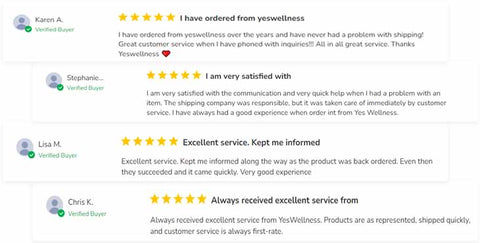
- Detailed product information and customer reviews.
- A 60-day return policy for most items (exceptions may apply).
As one of Canada's leading online sources for health and wellness items, YesWellness ensures that customers have access to high-quality Barbie items with the convenience of online shopping and home delivery. Here's how you can buy Barbie from YesWellness:
- Visit the YesWellness website.
- Browse the Barbie collection.
- Select the desired Barbie products.
- Add them to your cart.
- Proceed to checkout.
- Complete your purchase.