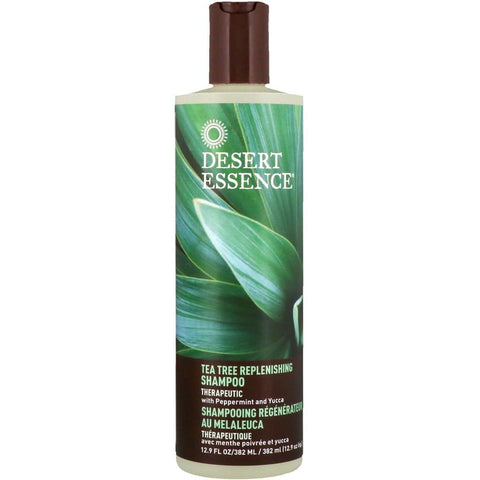
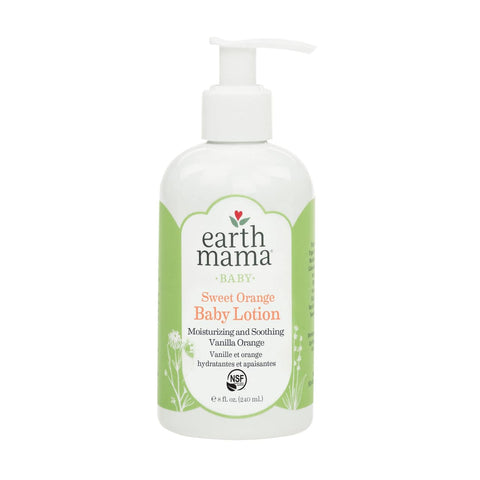
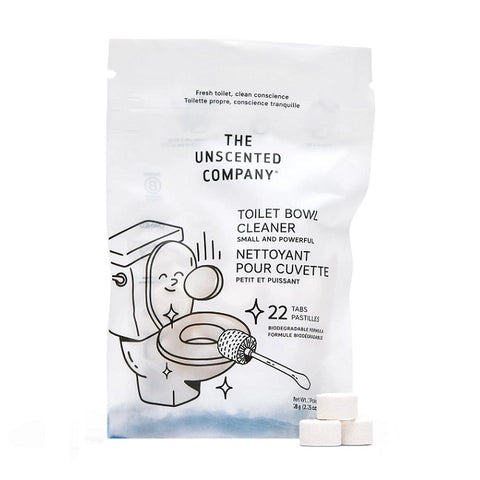
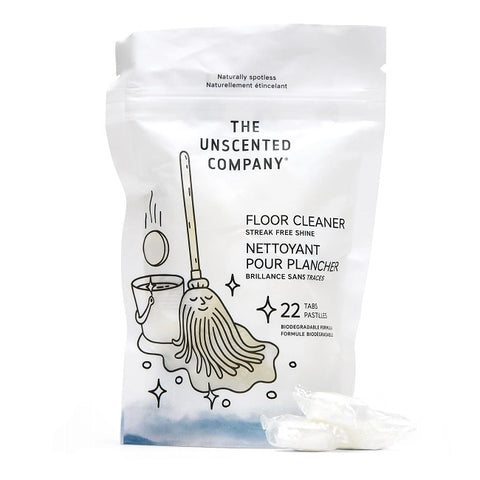
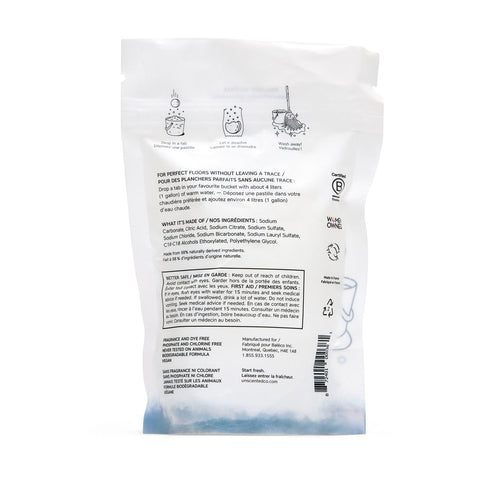
Green and natural products encompass a wide range of items that prioritize both human health and the well-being of the planet. Here's what defines them:
Environmental Focus:
- Eco-friendly & Sustainable: These products are designed and produced with minimal environmental impact throughout their lifecycle.
- Organic: Grown without harmful pesticides or synthetic fertilizers, promoting healthy ecosystems and biodiversity.
- Renewable resources: Utilize materials that can be replenished, like bamboo or plant-based options.
- Biodegradable: Break down naturally after use, reducing landfill waste.
- Low environmental impact: Minimizes pollution, water usage, and energy consumption during production.
- Carbon footprint: Aims to reduce greenhouse gas emissions associated with the product.
- Eco-friendly packaging: Uses recycled, recyclable, or compostable materials to minimize waste.
Ingredients & Production:
- Natural ingredients: Derived from nature, such as plant-based extracts, oils, and minerals.
- Non-toxic & Chemical-free: Avoids harsh chemicals, heavy metals, and harmful substances that can impact health and the environment.
- Cruelty-free: Not tested on animals, aligning with ethical practices.
- Ethical: Fair trade practices and responsible sourcing of materials to ensure fair treatment of workers and communities involved.
Consumer Choices:
- Conscious consumption: Encourages mindful purchasing habits that prioritize sustainability and reduce environmental impact.
- Green & Earth-friendly: Appeals to consumers who are environmentally conscious and want to make eco-friendly choices.
Overall, green and natural products represent a shift towards a more responsible way of consuming and living. By choosing these products, you can support businesses that prioritize sustainability and make a positive impact on the planet.